Introduction
In the ever-evolving landscape of business communication, two acronyms frequently surface: PBX and VoIP. For many entrepreneurs and IT managers, understanding these technologies—and their differences—can be a game-changer. This article aims to clarify what PBX and VoIP mean, how they function, and why one might be more beneficial than the other for your organization.
What is PBX?
PBX, or Private Branch Exchange, is a traditional telephony system used by businesses to manage internal and external communication. It connects internal phone lines with external phone networks, allowing for seamless communication within an organization without requiring each phone to have its own dedicated line.
Types of PBX Systems
There are several types of PBX systems, each with its unique https://jsbin.com/seheyumepe characteristics:
Traditional PBX: Utilizes copper wires and analog technology. IP-PBX: Merges traditional PBX functionalities with Internet Protocol (IP) technology. Virtual PBX: A cloud-based solution that manages calls over the internet.What is VoIP?
VoIP, or Voice over Internet Protocol, revolutionizes how we communicate by enabling voice calls to be made using an internet connection instead of traditional telephone lines. A VoIP Phone System converts analog voice signals into digital data packets that can travel over the internet.
Key Components of VoIP Technology
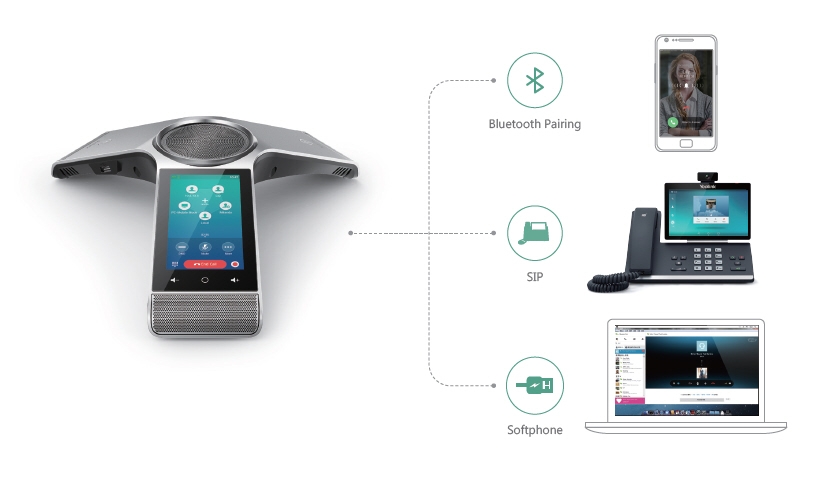
- VoIP Phones: Specialized devices designed for VoIP calls. Softphones: Software applications on computers or mobile devices that allow voice calls via the internet. VoIP Gateways: Hardware that connects traditional phone systems with VoIP networks.
PBX vs. VoIP: Understanding the Key Differences
When comparing PBX versus VoIP, several factors come into play—costs, features, scalability, reliability, and maintenance requirements. Let's delve deeper into these aspects.
Cost Analysis
Initial Setup Costs
- PBX Systems: Often involve hefty upfront costs for hardware installation and setup. VoIP Phone Systems: Typically have lower initial costs since they rely on existing internet infrastructure.
Ongoing Expenses
- PBX Maintenance Costs: Regular upkeep can add up quickly. VoIP Subscription Fees: Generally more predictable and often include additional features without extra charges.
Features Comparison
Essential Features of PBX
- Call forwarding Voice mail Conference calling
Essential Features of VoIP Phone Systems
Call recording Video conferencing Advanced analyticsScalability
Scaling a PBX System
Expanding a traditional PBX system often means investing in new hardware—a cumbersome process that can lead to downtime.
Scaling a VoIP Phone System
Adding new users in a VoIP environment is usually as simple as updating software settings or purchasing additional licenses.
Reliability
Reliability of Traditional PBX
While generally reliable due to dedicated lines, these systems may struggle during power outages unless backup systems are in place.
Reliability of VoIP Phone Systems
VoIP services depend heavily on internet connectivity; thus, any network issue can impact call quality or availability.
Maintenance Requirements
Maintenance Needs for PBX Systems
Regular maintenance checks on hardware components are crucial but can be resource-intensive.
Maintenance Needs for VoIP Systems
Updates can often be done remotely through software patches, making maintenance less burdensome.
Advantages of Using a VoIP Phone System
Cost-effectiveness Flexibility in features Enhanced collaboration tools Integration with other business applicationsDisadvantages of Using a VoIP Phone System
Dependence on stable internet connections Potential quality issues during peak usage times Security vulnerabilities if not properly securedChoosing Between PBX and VoIP: Factors to Consider
1. Business Size
Larger organizations may benefit from traditional PBXs due to their robust capabilities, while smaller businesses may find flexibility in cloud-based VoIPs appealing.
2. Budget Constraints
Evaluate both initial setup costs and ongoing expenses when making your decision.
3. Future Growth Plans
If you plan to scale rapidly, consider how easily each option allows for expansion without significant investment in hardware upgrades.
4. Technical Expertise
Does your team possess the skills necessary to manage complex setups? If not, a managed service might be ideal for you.
FAQs about PBX vs. VoIP
1. What is the main difference between PBX and VoIP?
The main difference lies in how they transmit calls; PBX uses traditional phone lines while VoIP utilizes the internet for communication.
2. Can I use my existing phones with a new VoIP system?
Yes! Many modern office phones support both formats; however, specific features may vary depending on compatibility.
3. Is it easy to switch from a traditional PBX to a VoIP system?
Generally speaking, transitioning is straightforward but might require some technical assistance depending on your current setup's complexity.
4. Are there any security concerns associated with using a VoIP service?
Yes; because it operates over the internet, proper security measures like encryption must be implemented to protect sensitive information.
5. Can I make international calls using a VoIP service?
Absolutely! In fact, many providers offer significantly lower rates for international calls compared to traditional telephone services!
6. Will I lose call quality if my internet connection is slow?
It's possible; slower connections can lead to latency issues which affect call clarity—having adequate bandwidth is crucial for optimal performance!
Conclusion
Ultimately, choosing between a traditional Private Branch Exchange (PBX) system and Voice over Internet Protocol (VoIP) largely depends on your organization's specific needs—be it cost considerations or requirements for advanced features like video conferencing capabilities found in modern Voip Phone Systems. By weighing all these factors carefully against your unique circumstances will prepare you well for making an informed decision that suits both current demands as well as future growth opportunities within your business communications strategy!
This comprehensive guide has explored various facets surrounding PBX vs. Voip: Understanding The Key Differences, offering insights tailored toward helping you navigate this critical choice effectively! Remember that embracing technology should always align with achieving greater efficiency while enhancing overall productivity levels across teams working together towards shared goals!